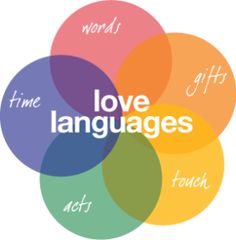
Love language involves the act of expressing love to or from a partner it may be from words of affirmation, the act of service, receiving or giving gifts, quality time and physical touch.
Love language #1: Words of affirmation
Those of us whose love language is words of affirmation prize verbal connection. They want to hear you say what you appreciate or admire about them. For example: “I really loved it when you made dinner last night”; or just “I love you.”
Love language #2: Acts of service
Some of us feel most loved when others lend a helping hand or do something kind for us. Like regular lunch dates, and going out for walks that mostly relate a bit to exploring hobbies.
Love language #3: Gifts
Those of us whose love language is gifts aren’t necessarily materialistic. though really appreciate gifts that are of sentimental value or add to sentimental value.
Love language #4: Quality time
Having another person’s undivided, dedicated attention can be the most fulfilling gesture. Getting to know more and more of that person on a deeper level. Appreciating each other's company.
Love language #5: Physical touch
Expressing the language of physical touch can be as intimate as a kiss with your partner to mark the end of the workday, or a hug whenever one feels sad. Cuddles on a cold night can be good since one can feel affection from their loved one.
Many of us, really aren't aware of the importance of these languages or even heard of them. Neurodivergents such as Autistics often have a challenge with social cues and interactions sometimes we miss the concept of affirmation towards another. Another challenge we face is physical touch due to sensory overload, some of us don't like to be touched when we are spending time with our partners and it sometimes leaves us with a challenge connecting with them.
Though we all have different love languages it's difficult for neurotypicals to catch this very concept.
So what is your love language?